Flowering Shrubs
Several Bouquets from a single plant!
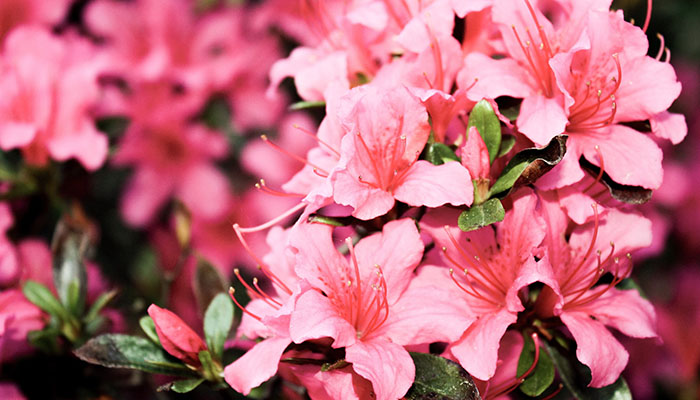
First, you have to identify whether you have full sun, part sun or shade. A common mistake for new gardeners is to overestimate the amount of light a plant will receive.
You should also know your USDA zone so that you can choose plants that will live in your area. For example, Oleander will grow well in the coastal South and Southern California, but it will not survive in cooler areas. On the other hand, peonies thrive in areas that are cold.
You will want to have good quality black soil. If you're lucky, you may already have this type of soil in your yard, but it's likely that you will to amend the soil.
When you purchase your shrub, you will want to get a bag of garden soil, especially if you have red clay or chalky soil. You can use some of the existing soil in your yard, but not more than half. A full bag of soil will allow you plant several shrubs or perennials.
First, take the plant out of the pot. Often a nice-looking plant will be root-bound in the pot. That means the bottom will be filled with spirals of roots. You're going to want to try to untangle the bottom roots so that they can establish in the soil.
There's an expression among gardeners about putting a $10 plant in a $2 hole. That means you want to make sure you're not lazy digging holes for your plants. You should dig a hole twice the size of the root ball with a well for water to pool and soak thoroughly.